
Summary
Web3 is the next stage of the internet built on blockchain technology, where users own their digital identity, data, and assets instead of depending entirely on centralized platforms. It combines decentralization, cryptocurrencies, smart contracts, and community governance to create a more open online world.
Published: May 2026 | Reading Time: ~5 Minutes
The internet has evolved significantly over the last three decades. In the early days, commonly known as Web1, websites were mostly static pages where users could only read information. Businesses and individuals created websites, but interaction was limited. Then came Web2, which introduced social media, e-commerce, cloud platforms, and apps where users could create content, communicate instantly, and participate online.
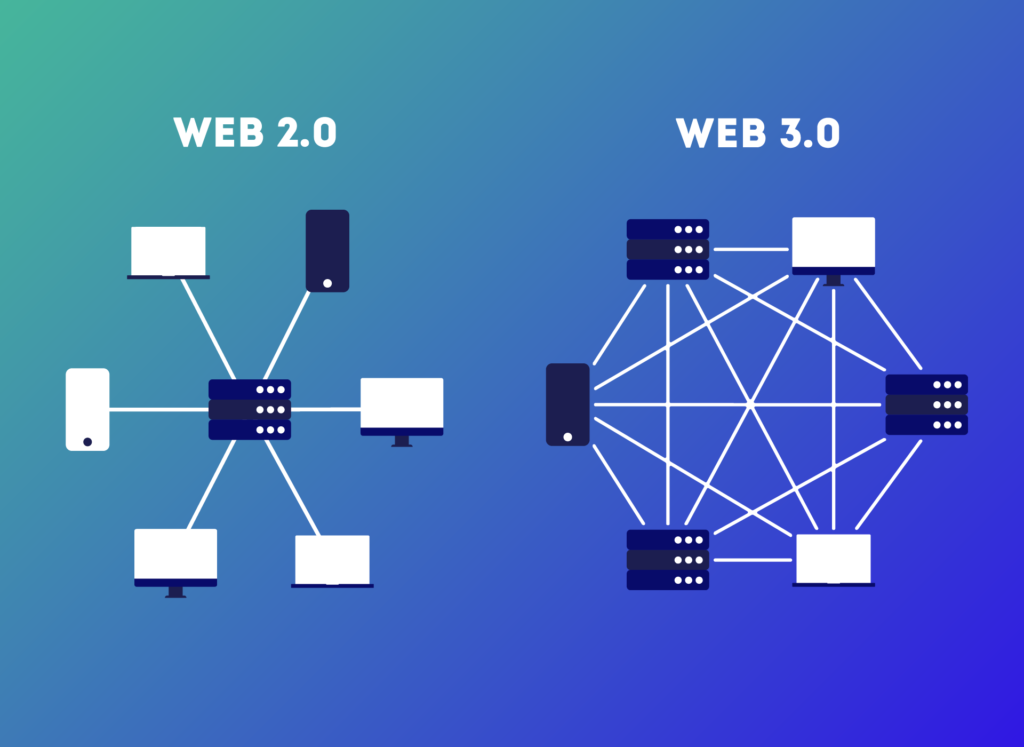
While Web2 changed the world, it also created a system where a handful of large companies control much of the internet. Social media platforms own user data, advertising networks profit from attention, and creators often rely on centralized companies for income. This is where Web3 enters the conversation.
Web3 is designed to shift power back to users. Instead of a company owning the platform and all user information, Web3 platforms use blockchain networks that distribute control across many participants. This creates systems where users can own their assets, vote on decisions, and move their data more freely.
How Web3 Works
Web3 runs on several core technologies:
Blockchain
A blockchain is a digital ledger stored across many computers. It records transactions securely and transparently without needing a central authority.
Smart Contracts
These are programs stored on a blockchain that automatically execute actions when conditions are met. They power decentralized apps, payments, and governance systems.
Crypto Wallets
Instead of signing in with email and password, many Web3 platforms allow users to connect wallets. Wallets hold tokens, NFTs, and can also act as identity tools.
Tokens
Tokens are digital assets used for payments, voting rights, rewards, or access to services inside Web3 ecosystems.
Real Examples of Web3 Use Cases
Web3 is no longer just an idea. Many applications are already live.
Decentralized Finance (DeFi)
Users can lend, borrow, swap, or earn yield without traditional banks.
NFT Ownership
Artists and creators can sell digital products directly while maintaining royalties.
Gaming
Players can truly own in-game assets such as skins, land, or collectibles.
DAOs
Communities can run organizations through token-based voting rather than top-down management.
Payments
Users can send funds globally with fewer barriers than traditional banking systems.
Benefits of Web3
- Greater ownership of assets and identity
- More privacy and control over data
- New earning opportunities for creators
- Global open access to services
- Transparent and auditable systems
- Reduced reliance on middlemen
Challenges of Web3
Despite its promise, Web3 still faces obstacles.
- Complex user experience for beginners
- Wallet security risks
- Scams and fake projects
- Regulation uncertainty in many countries
- Slow transaction speeds on some networks
Is Web3 the Future?
Many experts believe Web3 could become a major part of the internet over the next decade. However, success depends on making the technology simpler, safer, and more useful for everyday users. Just as early websites once seemed confusing, Web3 may become normal over time.
It is also possible that Web2 and Web3 will coexist. Traditional platforms may adopt blockchain tools while decentralized systems continue growing independently.
Final Thoughts
Web3 represents a shift from platform ownership to user ownership. It is still early, but the ideas behind Web3—control, transparency, and direct participation—are attracting developers, investors, creators, and communities worldwide.
Whether you are interested in crypto, technology, business, or digital trends, understanding Web3 today can help you prepare for the future of the internet.
FAQ’s
1. Is Web3 only about cryptocurrency?
No. Crypto is one part of Web3, but identity, governance, gaming, and ownership are also major areas.
2. Do I need technical knowledge to use Web3?
Do I need technical knowledge to use Web3?
3. Is Web3 safe?
It can be safe if used carefully, but scams and mistakes are common for beginners.