Summary
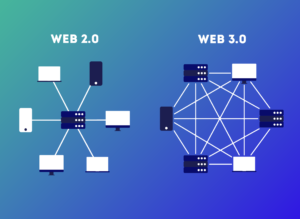
Web2 focuses on centralized platforms owned by companies, while Web3 aims to create a decentralized internet owned more by users.
Most people use Web2 every day through apps like YouTube, Instagram, Amazon, and Google. These services are convenient and powerful, but users usually trade privacy and control for access.
Web3 offers a different model.
Web2 Characteristics
- Company-owned platforms
- User data stored centrally
- Ad-based monetization
- Email/password logins
- Limited ownership of digital items
Web3 Characteristics
- Blockchain-based systems
- Wallet logins
- User-owned assets
- Token incentives
- Community governance
Comparison Table
| Feature | Web2 | Web3 |
|---|---|---|
| Ownership | Companies | Users |
| Login | Wallet | |
| Revenue | Ads | Tokens |
| Data | Centralized | Distributed |
| Governance | Corporate | Community |
Why Web2 Still Dominates
Web2 platforms are easier to use, faster, and familiar. They already have billions of users.
Why Web3 is Growing
People want:
- More privacy
- Ownership of digital assets
- Creator independence
- Open financial systems
- New earning opportunities
Can They Coexist?
Yes. Many experts believe future platforms may combine both systems. For example, a social app could keep Web2 simplicity while adding Web3 ownership features.
Challenges for Web3
- User experience
- Regulation
- Scams
- Wallet recovery issues
Final Thoughts
Web2 built convenience. Web3 is building ownership. The future internet may use the best parts of both models.
FAQ’s
1. Will Web3 replace Web2?
Not completely. Both may coexist.
2. Why do people prefer Web3?
Because of ownership, privacy, and decentralization.